











The Feast of Our Lady of Grace in a parish that has been losing its grace
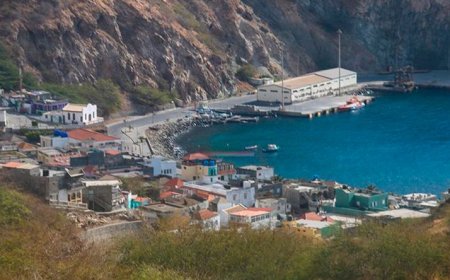
Nossa Senhora do Monte, August 15, 2026 (Bravanews) - There are festivals that fill the air with the scent of the sea and tradition. There are festivals that begin with fireworks at 5 a.m. and end with dancing at the multipurpose hall until daybreak. The festival of Our Lady of Grace, in Nossa Senhora do Monte on Brava Island, was just like that.
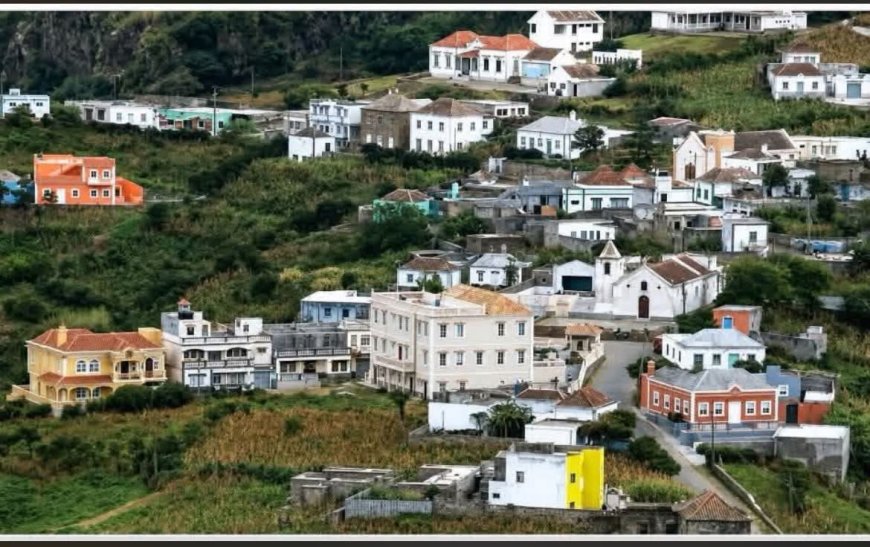
Celebrated every August 15, the patron saint gives her name and spirit to the highest—and one of the oldest—parishes in Cape Verde. For centuries, this was the day when the entire island would make the climb up the mountain. People came from Fajã D’Água, Cachaço, Vila Nova Sintra, Furna, Mato Grande, and Baleia. Boats arrived from São Filipe on Fogo and from Praia on the island of Santiago. The parish felt too small for so many people.
Today, in 2026, the procession still takes place. The parish still celebrates Mass. The altar is still decorated with paper flowers and crepe paper. But anyone returning to the festival can sense it: the parish is losing its charm.
Nossa Senhora do Monte is not just a parish. It is history. It is resistance. During times of drought, this is where families took refuge. This is where corn was planted and prayers for rain were offered.
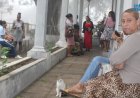
On the 15th, the main church was already full by 8 a.m. After Mass at the local parish, the procession would wind its way through the cobblestone and dirt-road streets. The women in long dresses, the men in white shirts, the children observing the silence of the occasion. In the homes, good food, local grogue, the cavaquinho, and the guitar. At night, a dance. The people of Brava returned from the diaspora just for this day. They would send money months in advance to “throw a proper party.”
That was the beauty of it: in the togetherness, in the homecoming, in the promise fulfilled. But over the last two decades, the landscape has changed.
According to the parish’s residents, abandonment has come knocking. The young people have left. Lisbon, Dorchester, Brockton, Boston, Providence, Paris, Rotterdam. The stone houses have remained closed all year round. Those that remain open are often home to elderly people who no longer have the strength to climb the church steps.
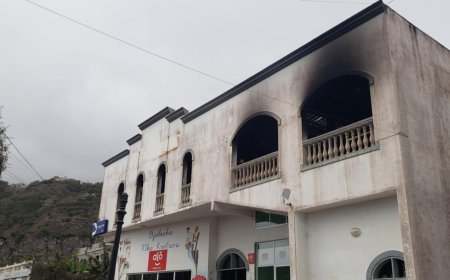
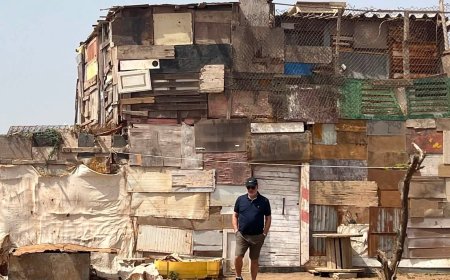
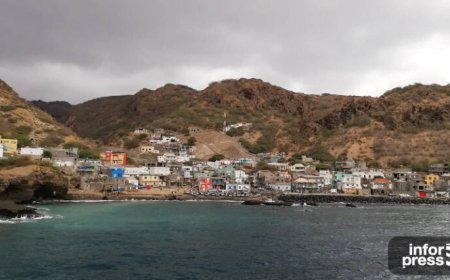
Investment has been lacking. The road connecting Nova Sintra to Nossa Senhora do Monte remains winding and full of potholes. When it rains heavily, landslides occur. The health center operates on a reduced schedule, without essential medications, without regular appointments, and without the vitality it once had. The elementary school, falling apart, has fewer and fewer students. There is no hotel, no bank branch, no regular public transportation, no gas station, no post office, and the Municipal Delegation remains closed. To buy bread, many people have to go down to the town of Nova Sintra.
With no people, no money, and no support, the festival has been shrinking. The festival’s budget depends on donations and raffles, and today the municipality itself funds a large portion of the activities. And every year it gets harder.
Even so, August 15 remains a sacred day.
Early in the morning, fireworks pierce the silence. The solemn Mass fills the small church. The priest speaks of Mary’s grace and the grace that is lacking in the world. Some people weep. Vows are being fulfilled.
Then the procession sets out. Fewer people, but with the same devotion. The women still sing the litanies. The men still carry the litter with care.
Our Lady of the Mountain has always held a sacred place in the soul of the island of Brava, being much more than just a simple parish on the Cape Verdean map. For decades, this corner blessed by the mountain breezes was a true hub of life, culture, and brotherhood, where community life flowed naturally and hospitality was the sacred rule of daily life.
To speak of this land’s past is to evoke an era marked by a vibrant community spirit and unparalleled human warmth. The sidewalks and squares overflowed with sincere, warm conversations held under the moonlight and a sense of camaraderie among neighbors that transformed the entire parish into one big, united family.
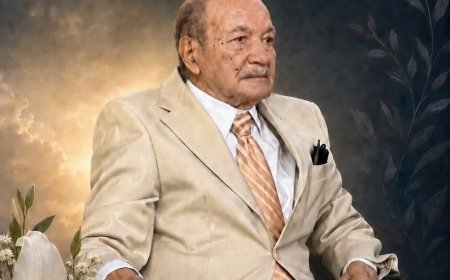
This golden age was shaped by great figures who remain etched in the collective memory of all the people of Brava. Men of great character, such as Nhô Dudu, José Domingos, and Nhô Raul de Pina, shaped the identity of the place through their work, their wisdom, and a deep respect for local traditions.
How can we forget the striking presence of figures like Nhô Bebete and Nhô Álvaro, who embodied the dignity and character of the people of Senhora di Monte? They walked the streets offering advice, sharing stories, and keeping alive the spirit of community that was the island’s pride.
The list of guardians of this spirit extends to unforgettable figures such as José de Ramos, Ma Iva, Ana Mame Manco, Nho Pedro, and Nhô Viriato—pillars of a parish renowned for its kind and generous people. The act of welcoming those who came from outside was not a calculated gesture, but rather an extension of the very soul of the place.
As the years went by, however, the signs of a painful decline began to transform the character of Nossa Senhora do Monte. The massive exodus, driven by the relentless search for better opportunities abroad, began to gradually empty the homes and drive the younger generations away from their native soil.
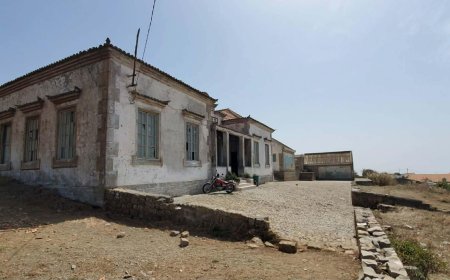
Little by little, the usual liveliness gave way to a heavy, melancholic silence. Walls that once echoed with laughter, celebrations, and singing now bear witness to the closed doors of historic mansions, where time seems to have slowed down to preserve the echo of a prosperity that remains only in memory.
With the inevitable passage of the years and the departure of the great figures who brought the community to life, the void has become even more evident. The absence of these community leaders and storytellers has left a cultural and social void that modernity can hardly fill with the same brilliance.
The sense of decline reflected today in the loss of its former dynamism does not, however, diminish the nobility of its history. Nostalgia has become a constant companion for those who remained, nurturing memories of the days when the parish was the most radiant spot on the island of Brava.
Even in the face of the changes brought about by time and the relative depopulation, the essence of Nossa Senhora do Monte refuses to fade. The true heritage of this land lives on in the memory of its people and in the hope that the legacy of these warm and welcoming people will continue to inspire all those who cherish its name in their hearts.